Coronaviruses
The family of viruses includes SARS-CoV-2, which causes the disease COVID-19 (The coronavirus references the virus that causes COVID-19).
The new coronavirus may be used in reference to the virus that causes COVID-19.
COVID-19
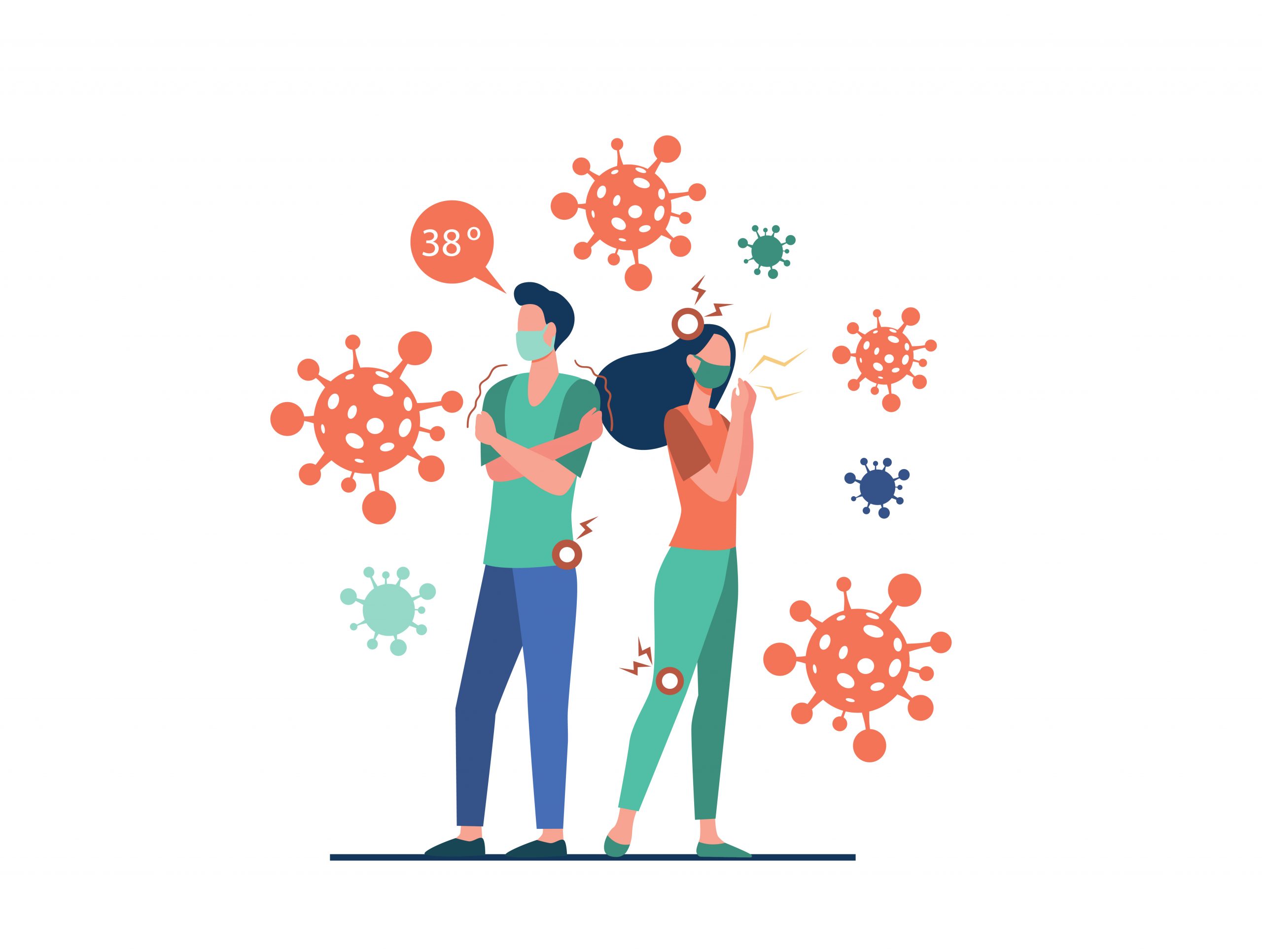
Short for coronavirus disease 2019, the disease caused by the SARS-CoV-2 virus. Symptoms vary and can include fever, cough, difficulty breathing, and/or loss of taste or smell, but individuals with COVID-19 may experience mild or even no symptoms.
Physical distancing
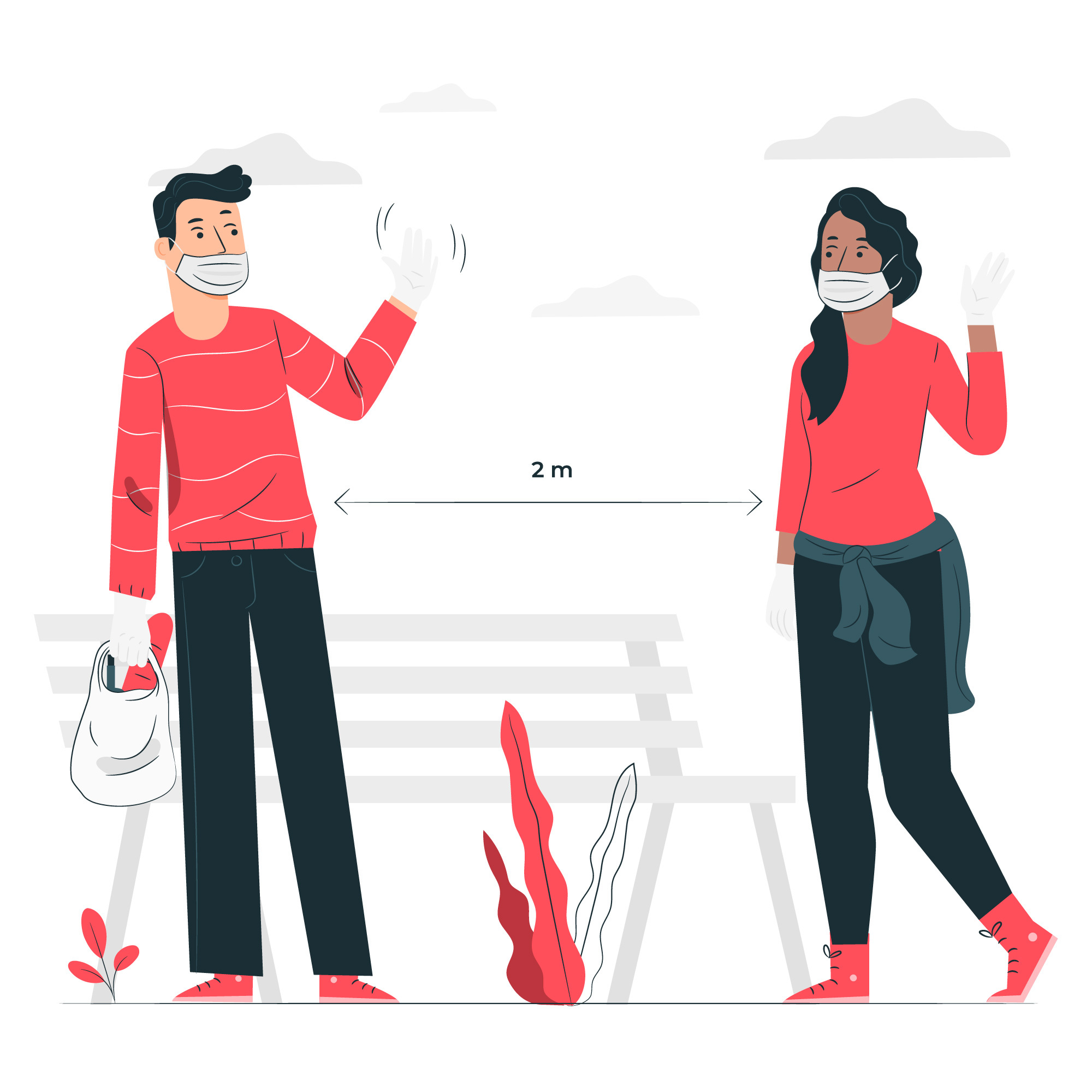
The current health and safety guidance to individuals (maintain a minimum 6 feet (1.8 meters) of the distance between themselves and others outside their home).
Quarantine
The precautionary practice of separating a person who might expose to a contagion such as the new coronavirus from others before the possible development of infection(not everyone who quarantines will necessarily develop infection).

Polymerase Chain Reaction (PCR)
Polymerase chain reaction (PCR) is a technique used to “amplify” small segments of DNA. Sometimes called “molecular photocopying,” the polymerase chain reaction (PCR) is a fast and inexpensive technique used to “amplify” – copy – small segments of DNA. Because significant amounts of a sample of DNA are necessary for molecular and genetic analyses, studies of isolated pieces of DNA are nearly impossible without PCR amplification.
Often heralded as one of the most important scientific advances in molecular biology, PCR revolutionized the study of DNA to such an extent that its creator, Kary B. Mullis, was awarded the Nobel Prize for Chemistry in 1993.
COVID-19 vaccines
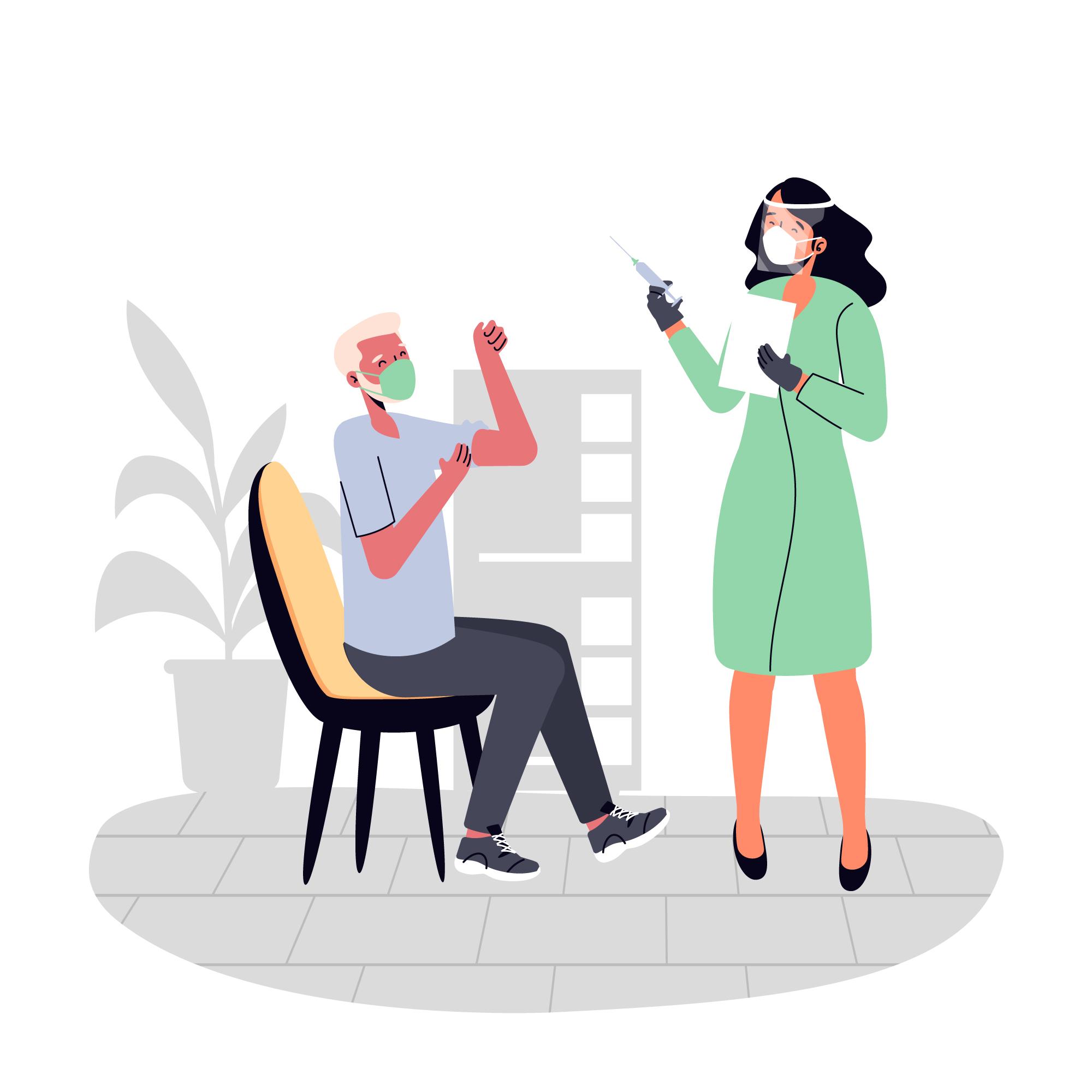
Vaccines typically require years of research and testing before reaching the clinic, but in 2020, scientists embarked on a race to produce safe and effective coronavirus vaccines in record time. Researchers are currently testing 67 vaccines in clinical trials on humans, and 20 have reached the final testing stage. At least 89 preclinical vaccines are under active investigation in animals.
o All COVID-19 vaccines under development are being carefully evaluated in clinical trials and will be authorized or approved, only if they make it substantially less likely you’ll get COVID-19.
o Based on what we know about vaccines for other diseases and early data from clinical trials, experts believe that getting a COVID-19 vaccine may also help keep you from getting seriously ill even if you do get COVID-19.
o Getting vaccinated yourself may also protect people around you, particularly people at increased risk for severe illness from COVID-19.
o Experts continue to conduct more studies about the effect of COVID-19 vaccination on the severity of illness from COVID-19, in addition to (spreading the virus that causes COVID-19).
o Both natural immunity and immunity produced by a vaccine are vital parts of COVID-19 disease that experts are trying to learn more about, and CDC will keep the public informed as new evidence becomes available.
o Stopping a pandemic requires using all the tools we have available.